A conversation on dowry culture, women’s labor, and the journey of tradition from Anatolia to the United States
The AKM-YADIGÂR (Memento) program in Washington, DC, drew significant attention through a dynamic series of cultural events celebrating Turkish textile heritage, Anatolian handicrafts, and traditional arts. Led by Dr. Vega Sankur, the growing initiative continues to introduce the richness of Anatolian craftsmanship to American audiences through exhibitions, workshops, and storytelling.
A key part of the Washington program took place at the George Washington University Textile Museum, where hands-on kilim weaving and felt-making workshops were presented by artists and curators Nalan Kumlalı Atahan and Gülendam Ece Hürmeydan. The workshops attracted strong interest and created meaningful cultural exchange through traditional art.
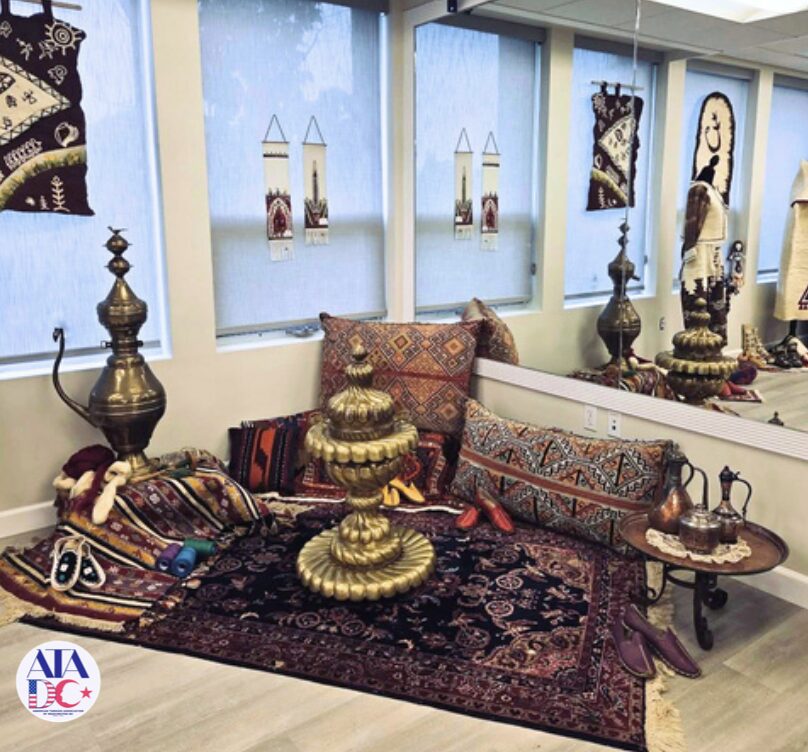
The celebration continued with the opening of the AKM-YADIGÂR Anatolian Handcraft and Textile Exhibition, hosted and organized by ATA-DC, The American Turkish featuring rare textiles, embroidery, and handmade works that reflect centuries of Turkish cultural heritage.
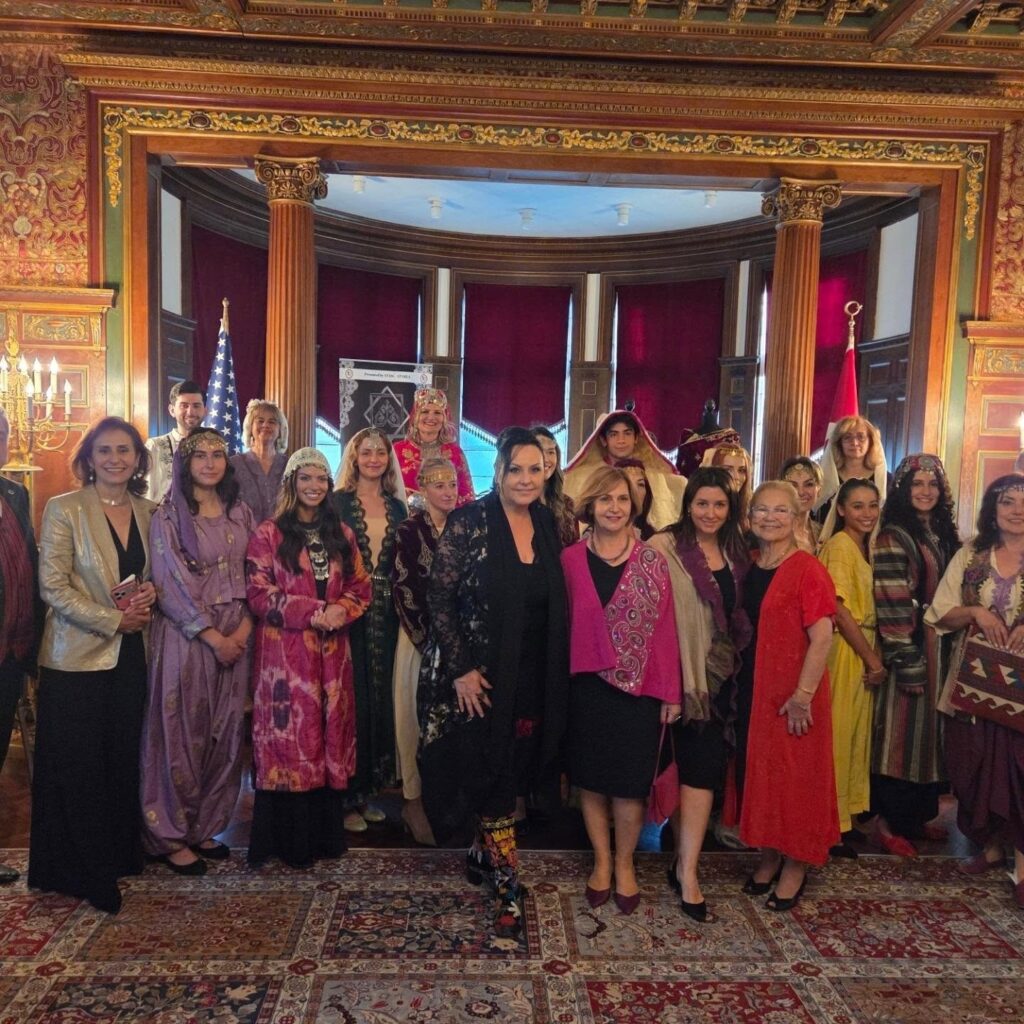
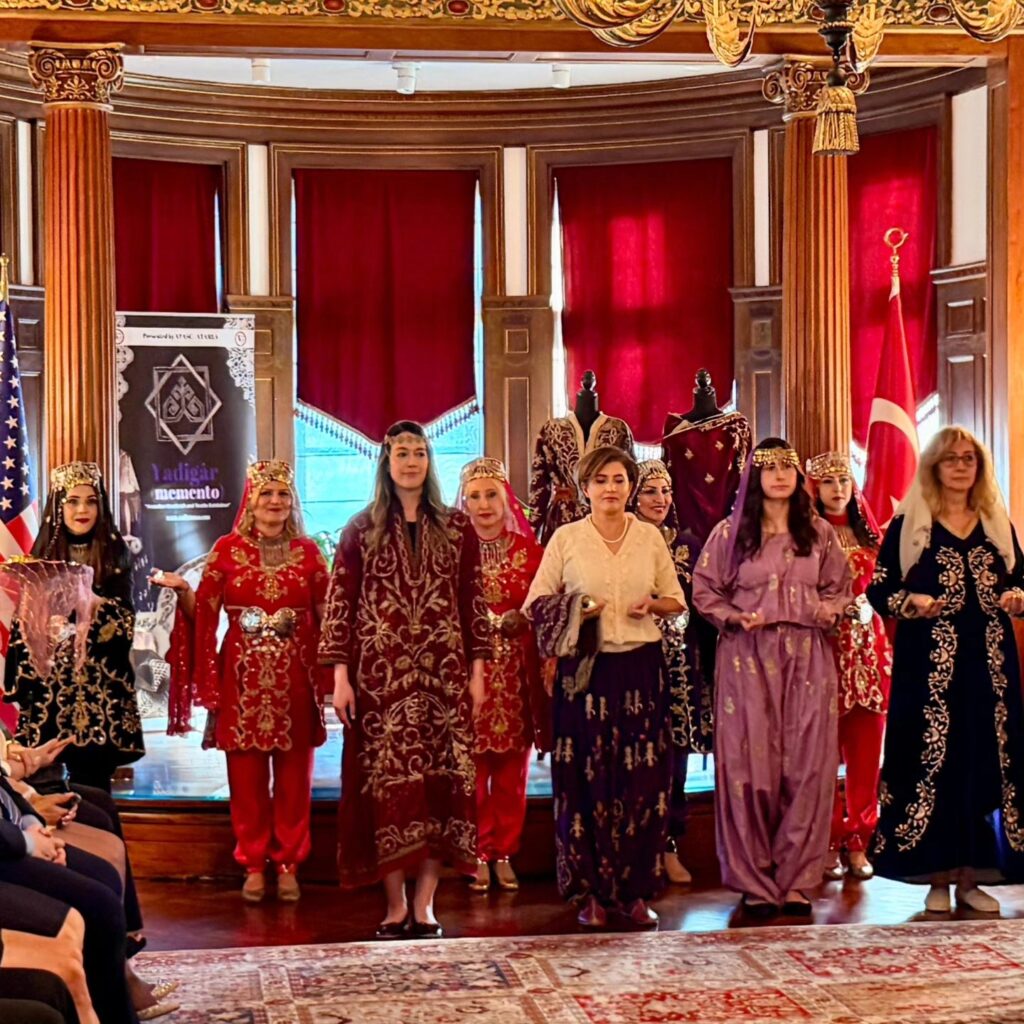
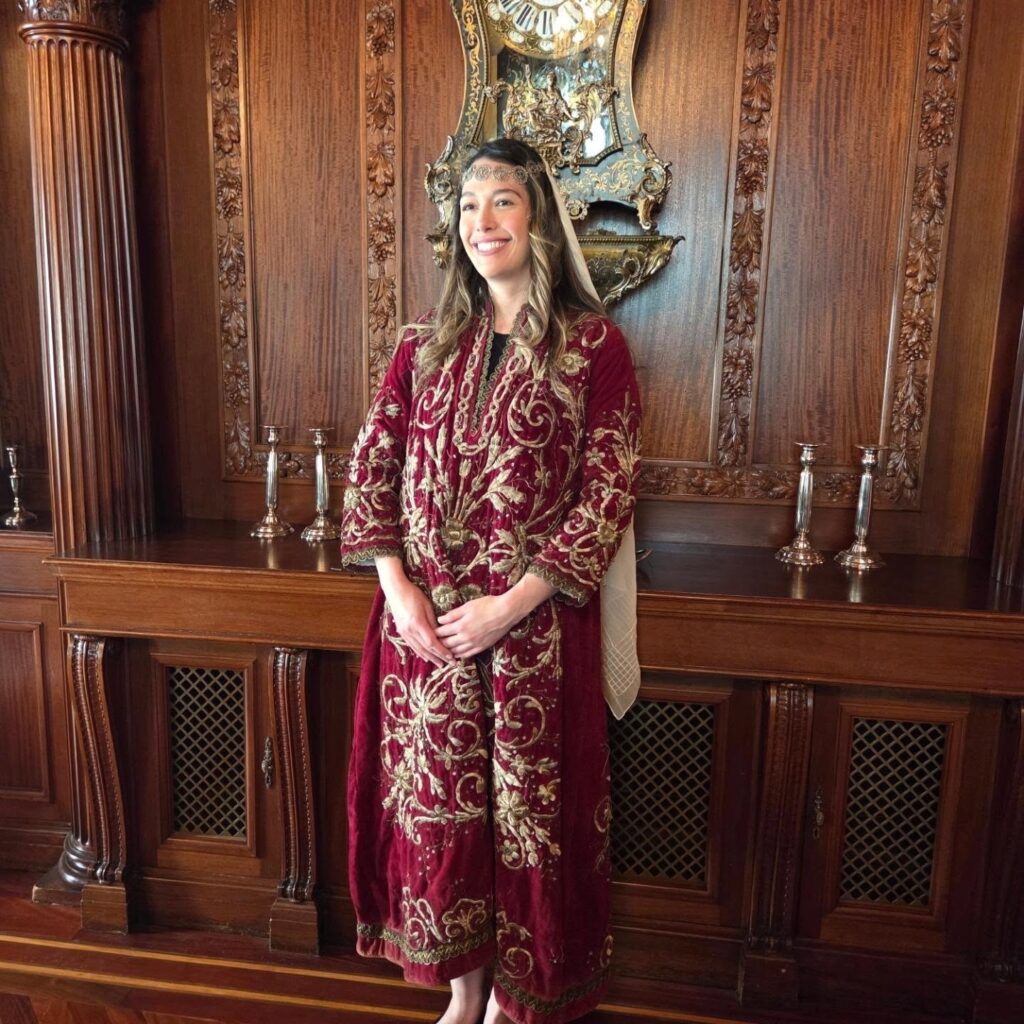
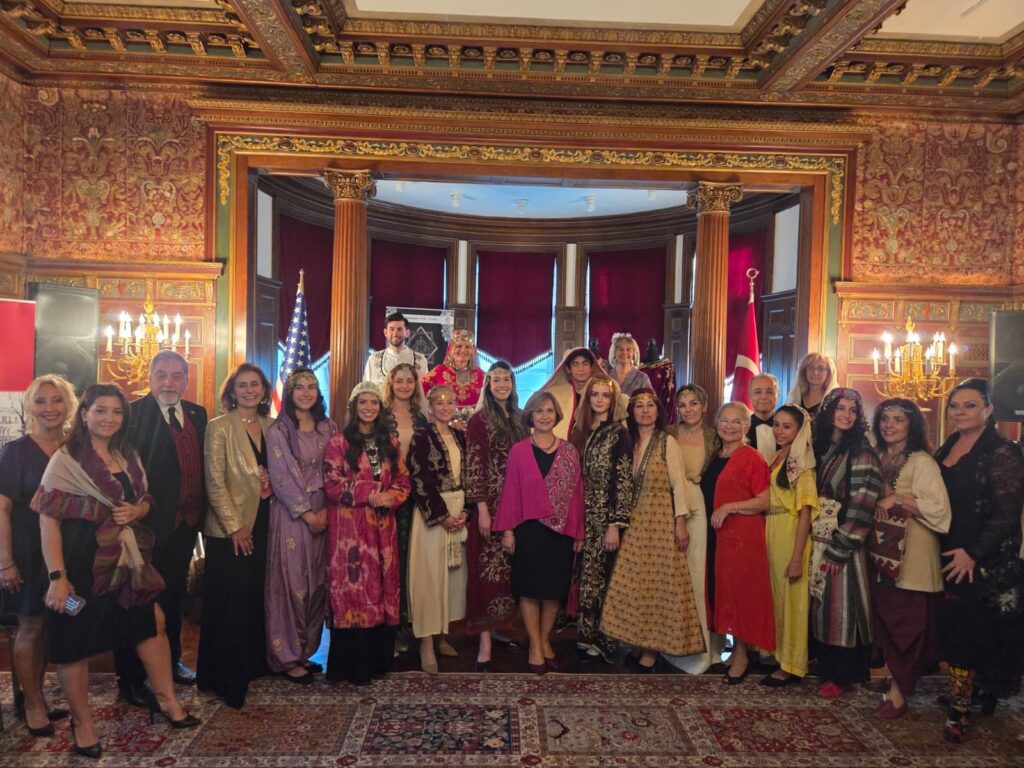
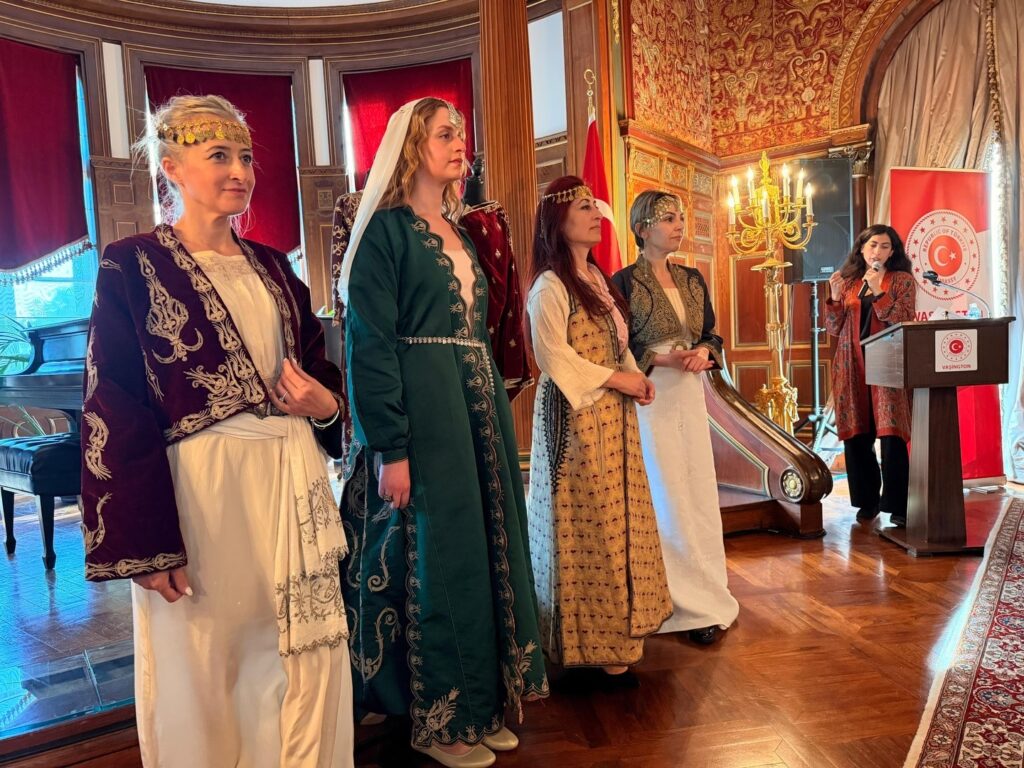
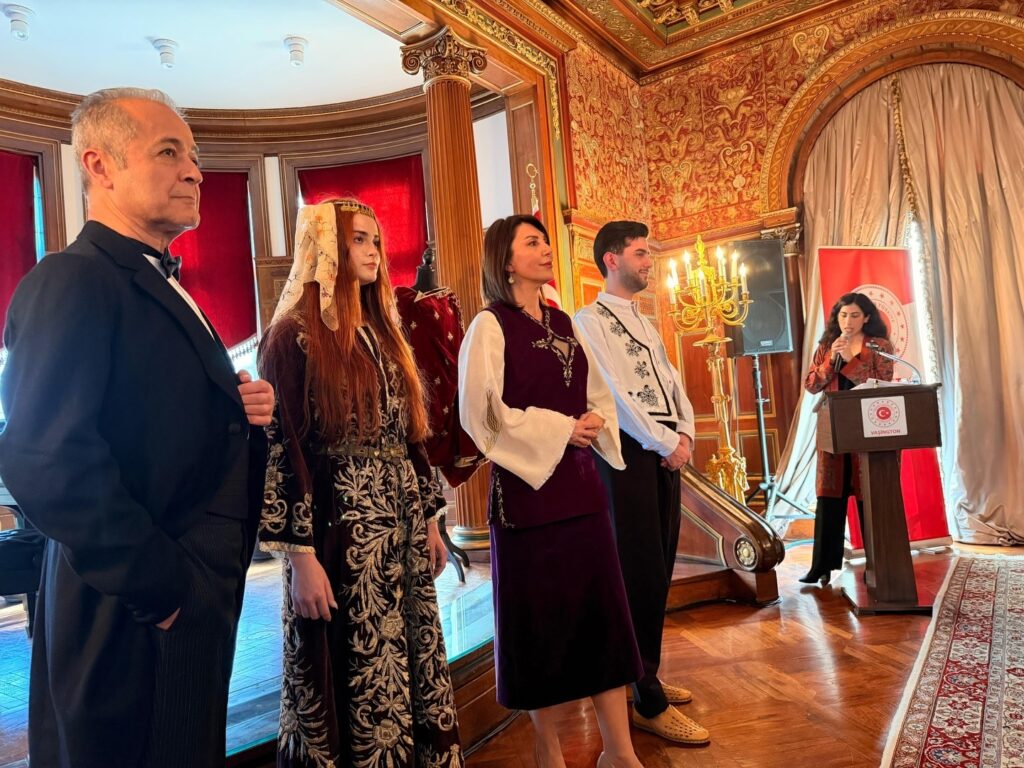
One of the most distinguished moments of the program was held at the Residence of the Embassy of Türkiye in Washington, DC, where an exclusive YADIGÂR fashion show introduced invited Turkish and American guests to extraordinary handmade garments and historic textiles. Each piece was presented with its story, era, and cultural significance, creating an intimate and memorable connection between the audience and the living history they represent.
More than an exhibition, YADIGÂR (Memento) has become a respected traveling cultural platform preserving family heirlooms, women’s craftsmanship, and the historical journey of Anatolian textiles. By transforming private memories into a shared public legacy, the project strengthens Turkish-American cultural ties and ensures this heritage is carried into future generations.
ATANews magazine’s Feriha Istar, who worked alongside curators Atahan and Hürmeydan to bring the Washington, DC leg of the project to life, sat down with them to discuss the vision, journey, and cultural resonance of YADIGÂR.
How did you evolve Dr. Vega Sankur’s vision into a multi-sensory, traveling exhibition?
As curators, we built upon Dr. Sankur’s vision by transforming dowry culture into an immersive cultural journey. We used our treasured heirlooms as a base and then combined storytelling, sensory design, live demonstrations, and adaptable exhibition formats so YADIGÂR could travel while maintaining its emotional depth and authenticity.
The exhibition centers on Anatolia’s dowry tradition. How do you reinterpret something so intimate and domestic into a collective cultural narrative without losing its personal depth?
We approached each piece as a personal story rather than an object. By honoring the makers, their memories, and their craftsmanship, we created a space where visitors connect individual experiences to universal themes of family, identity, and belonging.
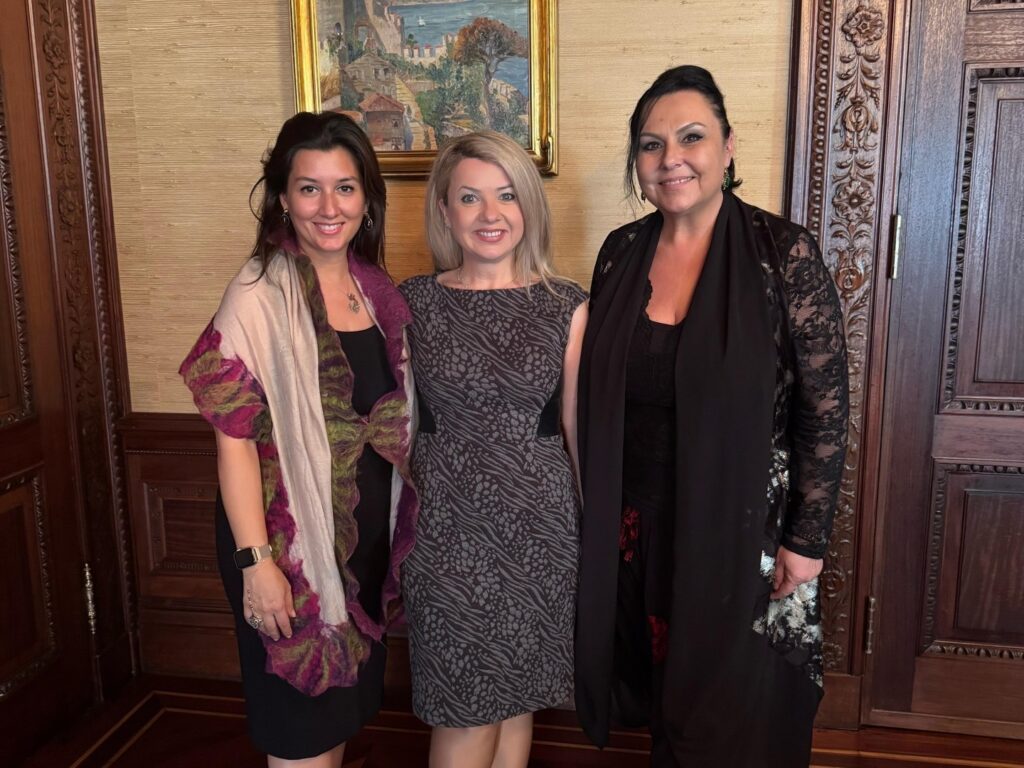
Many of the pieces come from women who migrated from Anatolia to the U.S. How do these objects change in meaning when they move across geography from private homes to exhibition spaces in America?
These objects become bridges between cultures. In private homes, they preserved family memories; in exhibition spaces they gain a wider voice, representing migration and the continuity of heritage across borders.
YADIGÂR is described as a tribute to women’s labor and cultural transmission. What conversations do you hope this exhibition sparks around invisible labor, memory, and intergenerational knowledge?
We hope audiences recognize the unseen labor, patience, and creativity behind handmade traditions. We also want to inspire conversations about how women preserve culture and pass knowledge from one generation to the next.
Unlike traditional exhibitions, YADIGÂR incorporates textures, sounds, fragrances, and even taste. How did you design this multi-sensory approach, and what does it allow audiences to understand that visual display alone cannot?
We wanted visitors to feel the heritage, not only observe it. Textures, sounds, scents, and taste create emotional memories and offer a deeper understanding of how these traditions were lived in everyday life.
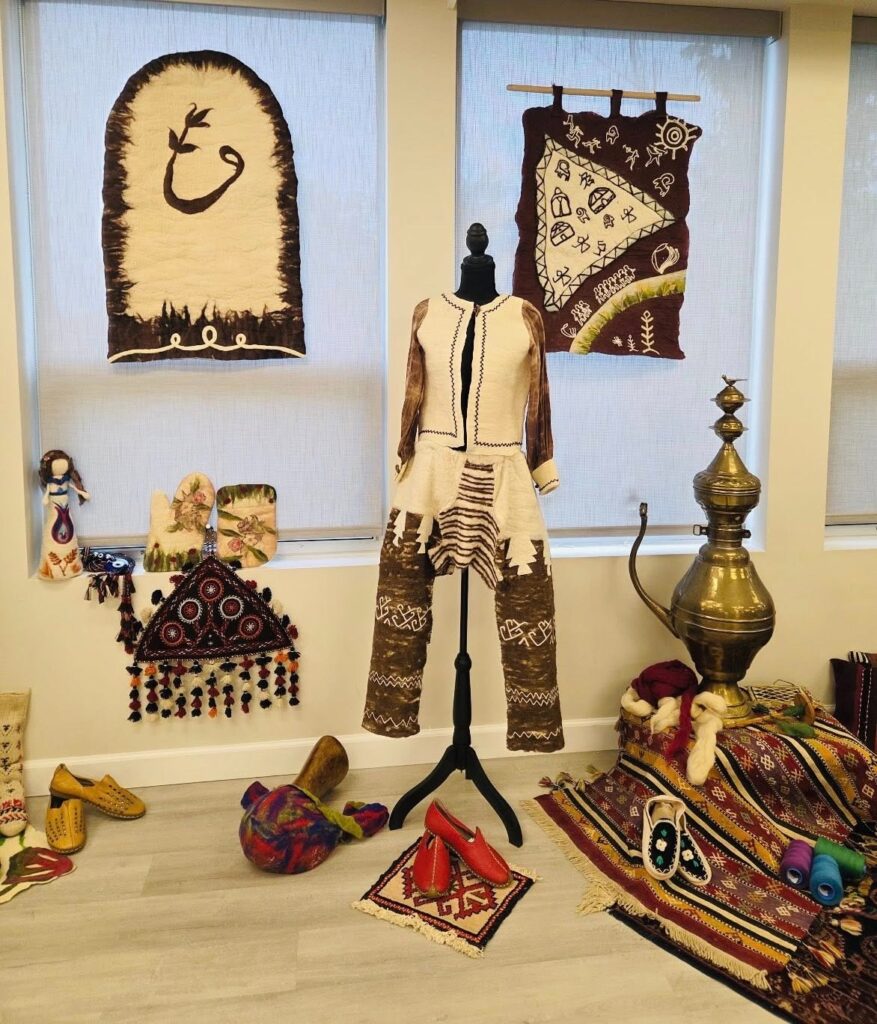
The Washington, DC leg of this project brought together organizations like ATA-DC, Anatolian Artisans, the GW Textile Museum, and ATAMLA-AKM. How have these collaborations shaped the exhibition’s impact and expanded its reach to broader audiences?
Collaboration has been essential. We worked extremely well with all the DC organizations; all contributed volunteers, ideas, heirlooms, models, and the Kardelen dance routine, enriching AKM YADIGÂR in DC. Working with respected organizations also expanded visibility, created academic and cultural dialogue, and introduced YADIGÂR to new communities that may not otherwise encounter Anatolian heritage.
The recent fashion show at the Turkish Embassy in DC highlighted garments passed down through generations. How does incorporating performance and fashion deepen the idea of “living heritage” within YADIGÂR?
Performance definitely brings heritage into motion. When garments are worn again, they move beyond display and become living expressions of identity, elegance, tradition, and continuity between past and present. We’d like to thank the Turkish Embassy for their patronage in DC. We are especially grateful to Ambassador Honorable Sedat Onal and Mrs. Figen Onal for opening their home and organizing this event. We also appreciate all the volunteers organized by ATA-DC. It was a great collaboration experience for everyone.